
Community Partner Profile: Scott Moore y Medina
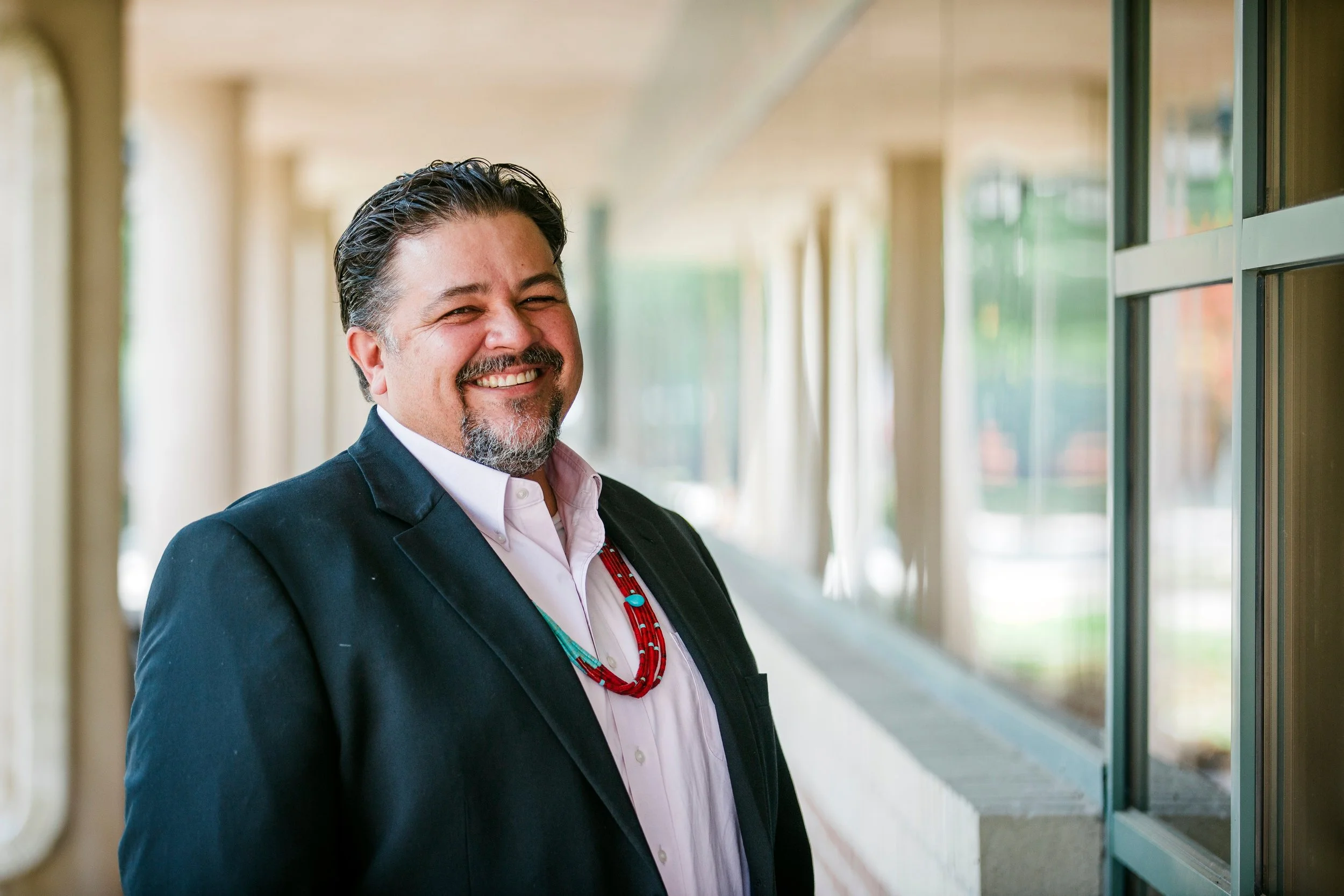
Scott Moore y Medina is a leading architect, community builder, and visionary advocate for historically marginalized communities. Since moving to Tulsa in 2016, Scott has made his home within the Kirkpatrick Heights-Greenwood Master Plan area, where he combines his professional expertise with deep neighborhood engagement. As Director of the Native Nations Studio, President of Design Corps, and an adjunct professor at the University of Oklahoma, Scott has shaped major planning and revitalization efforts across North America. His commitment to people, place, and lasting impact is evident both in his award-winning projects and his grassroots leadership.
Explore how Scott’s dedication to inclusive design and community sustainability continues to shape North Tulsa in this month’s community partner spotlight.
What inspired your move to Tulsa, and how has living in the Kirkpatrick Heights–Greenwood community shaped your work?
Since 2016, I have proudly called Tulsa home and have chosen to live within the boundaries of the Kirkpatrick Heights–Greenwood Master Plan area. That decision is intentional and connects me directly to the historical and cultural foundation of North Tulsa. Being a resident here allows me to engage deeply with local issues and aspirations, ensuring my approach as an architect and community builder is not just professional, but also personal and invested in the neighborhood’s future.
Your career spans architecture, planning, and community development. How do these roles intersect in your day-to-day work?
Each role supports the others. Whether I am working as a registered architect, a founder, or as a JEDI thought leader, my focus remains on centering community voices. My background as a HUD grant technical assistance provider, grants support specialist, and CDC projects coordinator informs my planning work. For example, as a lead planning team member on the Envision Comanche CHOICE Neighborhoods Plan and currently with the Muscogee (Creek) Nation Housing Department, I translate community vision into actionable and sustainable design strategies.
Much of your work centers historically marginalized and culturally unique communities. What does this commitment mean in practice?
It means listening before acting and building processes where community members are the main drivers of the outcomes. Over the years, I have facilitated engagement and visioning sessions that empower those often left out of important conversations. My goal is to ensure that every project serves not only physical needs, but also celebrates cultural heritage and addresses historic inequities. This philosophy guides my leadership roles, such as directing the Native Nations Studio and serving as President of Design Corps, where each project is an opportunity to foster dignity, inclusion, and equity.
How do you approach sustainability in your work, and why is it important?
Sustainability is about more than the environment. It means creating systems where people, the planet, and prosperity can all thrive. My approach is holistic and seeks to balance economic opportunity with environmental responsibility and social well-being. Whether I am advising on master plans or teaching in the University of Oklahoma’s online MS in Sustainable Architecture program, I advocate for strategies that address the complex needs of interconnected systems. I believe lasting impact comes only when we consider the full spectrum of what communities need to succeed now and in the future.
How do your personal values and community involvement inform your professional life?
As a father in a Hispanic and Native American household, a youth sports coach, an artist, and a member of the Keya Cikala sweat lodge community, I am reminded daily of the importance of staying accountable to those I serve. Grassroots efforts, cultural traditions, and local leadership form the core of lasting change. I view my work as an extension of these values, always rooted in service and a belief that meaningful transformation begins within the community itself.